Sauna & Wellness Traditions
Distinguish historical practices from modern commercial operations. Understand the cultural context of Baltic bathing.
Cultural Context of the Baltic Sauna
The sauna—known as *pirts* in Latvia, *pirtis* in Lithuania, and *saun* in Estonia—holds foundational cultural importance. Historically, it functioned as the primary space for physical cleansing, spiritual rituals, and social gathering. Modern spa hotels adapt these practices for commercial environments, though dedicated retreats maintain stricter traditional protocols.
Traditional vs. Modern Experiences
Modern hotel spas utilize electric heaters, glass walls, and precise digital climate control. The focus is convenience and safety.
Traditional experiences utilize wood-fired stoves. Smoke saunas (particularly recognized in southern Estonia) feature no chimney. Smoke fills the room, coating the timber, before being vented prior to entry. The heat is soft, dense, and heavily scented with wood and earth. True traditional experiences require hours of preparation and are rarely found in large resort hotels.
Heat and Cooling Routines
The core mechanic of Baltic wellness involves extreme temperature contrast. This cycle is repeated multiple times.
The Heating Phase
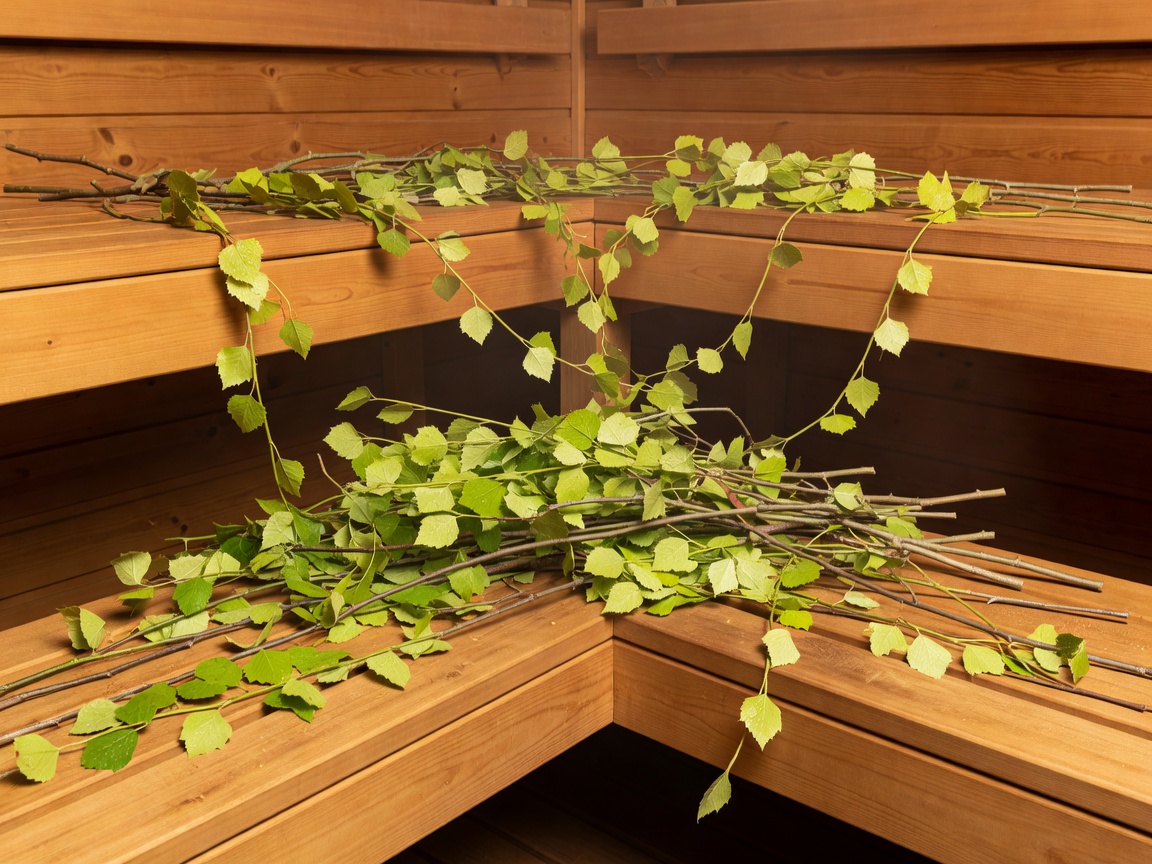
Bathers enter the hot room. Water is cast onto the stones (*leil* or *gars*) to create instant steam and raise perceived heat. Sessions last 10 to 15 minutes. Birch, oak, or juniper branches (whisks) are traditionally used to beat the skin, which may support relaxation and promote superficial circulation.
The Cooling Phase
Immediate cooling follows. Modern facilities provide cold plunge pools, crushed ice dispensers, or bucket showers. Traditional rural properties use nearby lakes, rivers, or snowbanks. Cooling constricts the blood vessels and normalizes core temperature.
The Resting Phase
Crucial to the process. Bathers rest for 15 to 20 minutes before re-entering the heat. Hydration is mandatory during this stage. Herbal teas or mineral water replace lost fluids.
Seasonal Wellness Practices
Baltic wellness adapts strictly to the season.
- Spring: Focus on cleansing. Foraging begins for new leaf growth used in sauna whisks.
- Summer: Integration with outdoor lakes. Shorter heat cycles. Heavy use of fresh floral and herbal aromatics.
- Autumn: Introduction of deep warming therapies. Mud applications and peat baths peak in popularity to counter damp weather.
- Winter: Maximum temperature contrast. Ice swimming (*talisuplus*) pairs with prolonged, intense heat sessions to combat darkness and cold.
Etiquette and Preparation
Behavior in public spa spaces follows unwritten regional rules.
Private vs. Shared Spaces
Large hotel spa complexes are shared, mixed-gender environments. Swimwear is strictly required. Segregated locker rooms lead to communal pools and saunas.
Private rentals (small cabins or rural retreats) allow for nude bathing among familiar groups, adhering to historical norms.
Hygiene Protocols
Showering with soap without swimwear is mandatory before entering any pool or sauna. When inside a dry sauna, a towel must be placed under all contact points with the wood to absorb sweat.
Require more details regarding specific cultural practices or retreat locations?
Contact for Information